

Imagine walking into a café in Buenos Aires and hearing a smart joke that you don’t quite get it across the table, before you’ve even sipped your coffee. That’s Argentine humor for you: sharp, expressive, and impossible to ignore. In Argentina, humor is a social glue, it reveals personality, bridges differences, and even helps people cope with life’s complexities. If you want to fit in, thrive, and laugh with, not at, stick here.
Humor as a Reflection of Identity
Argentine humor is deeply rooted in sarcasm and irony, often delivered with a unique blend of warmth and flair. It serves as a fundamental means for people to express nuanced opinions, particularly regarding everyday cultural quirks. This style is frequently characterized by a certain “acid” or self-deprecating quality, which, while sometimes feeling pointed to an outsider, is generally intended to be playful and foster connection (Rodríguez, 2023).
This distinctive Argentine Humor style boasts a rich history. Television icons like Tato Bores pioneered fast-paced satire, famously mocking presidents live on air (La Nación, 2017).
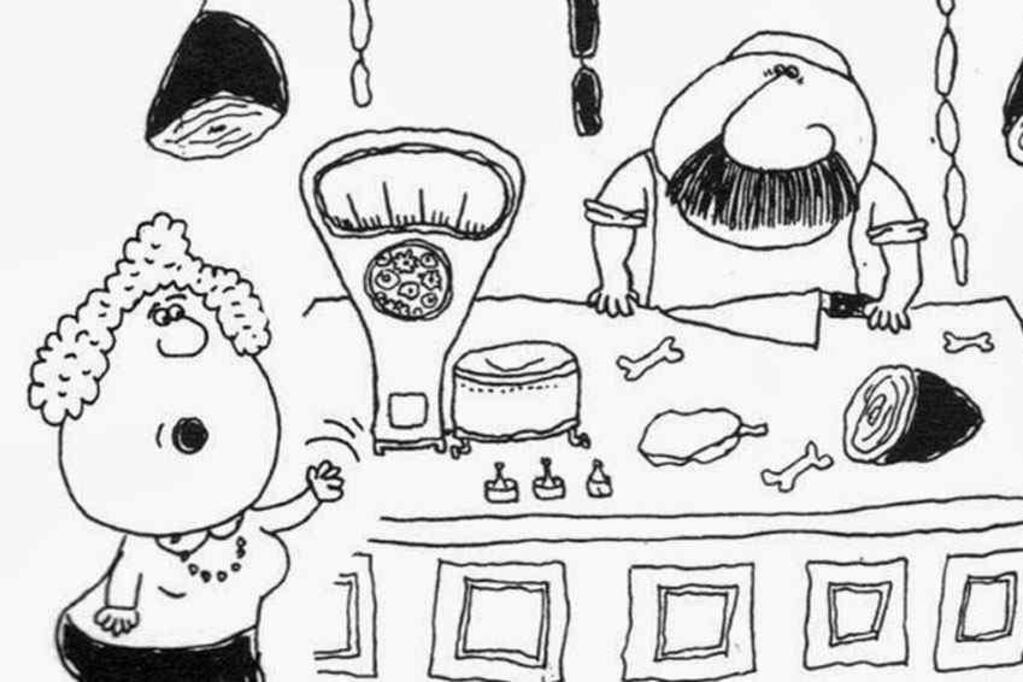
Similarly, caricaturist Landrú used his distinctive prints to satirize absurdities, producing work so incisive that his magazine was reportedly shut down by authorities in the 1960s (Museo del Dibujo y la Ilustración, 2024). This enduring tradition ensures that Argentine Humor remains a relevant and potent force in contemporary Argentine society.
Everyday Banter: The Art of the Barroom Roast
Daily conversations in Argentina, whether at bars, workplaces, or family gatherings, are often punctuated by quick comebacks and light-hearted jabs. This verbal sport is typically not meant to offend but rather to strengthen bonds between friends and close ones. As the celebrated humorist Quino, creator of Mafalda, once quipped, “Para el argentino, la amistad es una pasión y la policía una mafia” (For Argentines, friendship is a passion and the police are a mafia), a saying that humorously captures common societal perceptions (Quino, 2025).
Irony and clever wordplay are also prevalent in spoken humor. For instance, the Buenos Aires-based satire magazine Barcelona gained notoriety for mirroring political absurdity with provocative headlines. One notable example, “Tolerance: A Jew and a Black Decide the Future of Humanity,” showcased their satirical approach to local media and censorship (Moguillansky, 2018).
Humor in Popular Media: TV, Comics & Film
Argentina’s humor—often celebrated internationally as Argentine Humor—truly shines across diverse media platforms. Everyday joking includes chistes verdes (risqué or adult jokes), chistes de gallegos (jokes poking fun at Spaniards, often with a “dumb” stereotype), and a pervasive style of dark humor known as humor negro (Ramos, 2024).
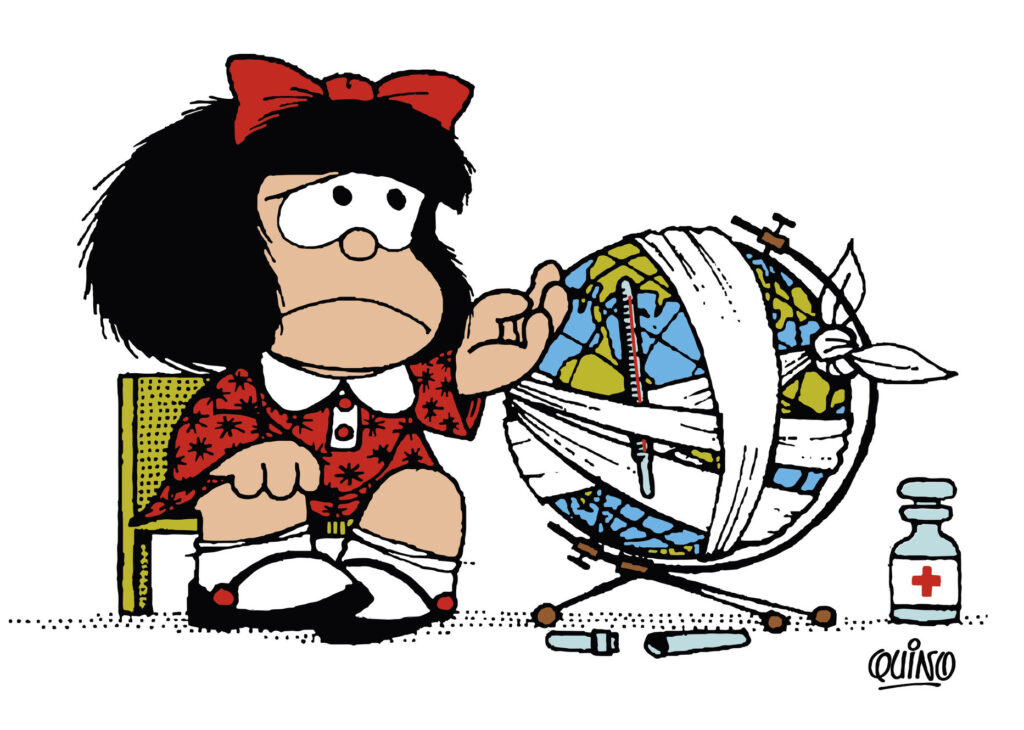
In the realm of comic strips, Quino’s Mafalda delivers gentle yet profound political and social satire through the eyes of a philosophical little girl (Official Mafalda Website, 2025). Similarly, Fontanarrosa’s Inodoro Pereyra uses quintessential gaucho humor to explore themes of identity, rural life, and social norms (La Capital, 2023).
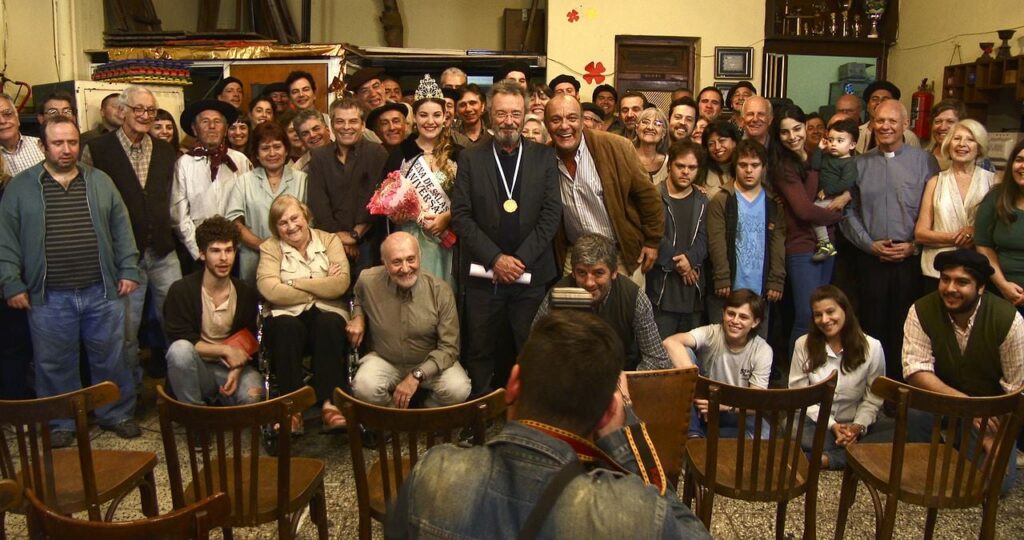
Argentine cinema also masterfully employs humor. Films such as Relatos Salvajes (Wild Tales) and El Ciudadano Ilustre (The Distinguished Citizen) utilize dark scenarios, biting sarcasm, and exaggerated situations to explore human behavior and societal absurdities (Escribiendo Cine, 2024; Otros Cines, 2024). These cinematic works powerfully illustrate how sarcasm serves as a tool for Argentines to navigate challenging conversations and complex social issues with both humor and insightful commentary.
Regional Flavor: Humor Varies by Place
While a common thread of sarcasm and irony runs through Argentine Humor, distinct regional flavors exist. Humor in provinces like Córdoba or Mendoza can lean towards a more playful or flamboyant style. Cordobeses, in particular, are known for their rapid-fire wit and quick comebacks, often perceived as lively and engaging (La Voz del Interior, 2023).
In contrast, the Argentine Humor found in Buenos Aires (often referred to as porteño humor) tends to be darker, more ironic, and self-critical, often drawing comparisons to British wit but infused with an expressive Latin American sensibility (Rodríguez, 2023).
Tips for Using Humor Like a Local
To naturally blend into Argentine conversations and effectively engage with their unique humor:
- Use irony gently: Employ light exaggeration or playful contradiction. Phrases like “Sí, la SUBE es rapidísima…” (Yeah, the SUBE card is super fast…) when experiencing a delay, for example, usually land well.
- Know your crowd: What might be appropriate and amusing among close friends or in a casual bar setting may not be suitable for a formal meeting or a new acquaintance.
- Stay curious: Don’t hesitate to ask locals to explain a joke or a particular expression. Most will appreciate your interest and eagerness to understand their culture.
- Watch for tone and body language: Facial expressions, gestures, and tone of voice often signal when something is said in jest, even if the words themselves sound serious or critical.
Consume local comedy and media: Watching popular Argentine comedy shows (e.g., CQC, Cha Cha Cha) and reading comics like Mafalda can significantly help you appreciate the context, timing, and nuance of Argentine Humor (Ramos, 2024; Official Mafalda Website, 2025).

Humor as a Cultural Key
Argentine humor is far more than mere entertainment, it is a vital pathway to understanding and belonging. It is how locals express affection, subtly challenge authority, maintain a grounded perspective, and provide companionship through life’s many highs and lows. By embracing the nuances of sarcasm, irony, and friendly banter, you connect directly with the vibrant heart of everyday life in Argentina.
So listen intently, laugh genuinely, and don’t be afraid to reply with a cheeky comeback of your own. You’ll discover that laughter opens doors, and perhaps a few hearts—far faster than anything else in Argentina.
Explore More About Argentine Humor and Culture
La Nación – Entertainment & Culture
Discover Argentine TV, comedy shows and cultural commentary from one of the country’s leading newspapers.
Official Mafalda Website
Read Quino’s iconic comic strip and explore its timeless political and social satire.
Argentina Government – Culture
Learn more about Argentina’s cultural heritage, art, and humor-related initiatives.
Buenos Aires City – Culture Portal
Find upcoming comedy shows, theatrical performances and cultural events in Buenos Aires.


