
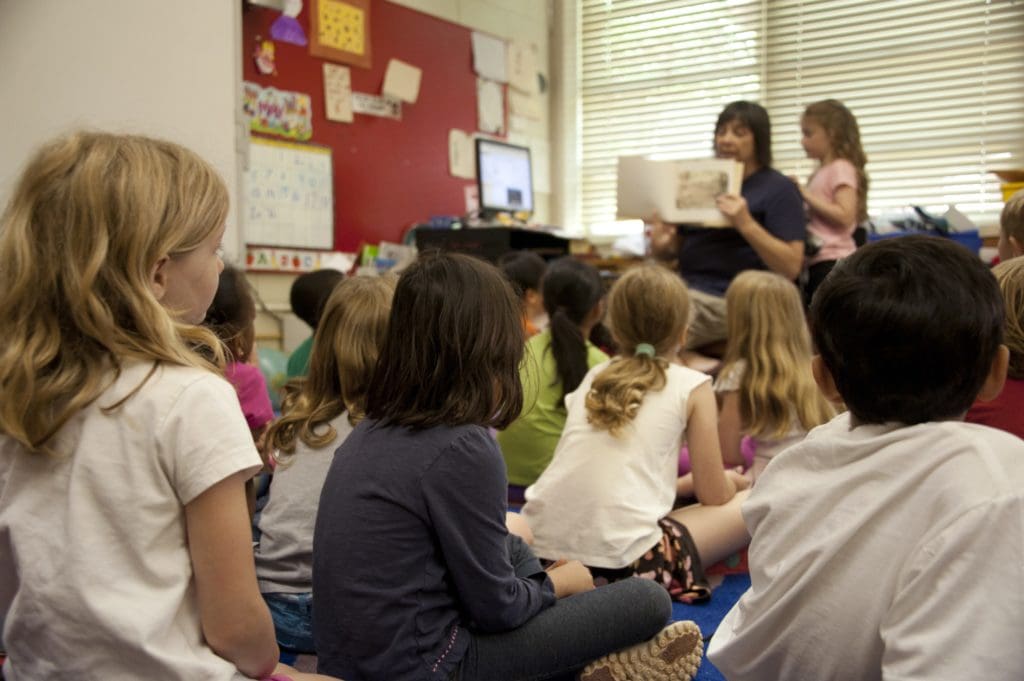
Moving to Argentina with children means stepping into a culture that values education and sees schools as key to social integration. If you’re considering settling in Buenos Aires or anywhere else in the country, understanding how the School System works, from early childhood through high school, can help you make informed choices and plan for a smooth transition. Whether you’re aiming for local public schools or exploring private or bilingual alternatives, this guide walks you through what you really need to know about the Argentine School System.
Structure of the Argentine School System

Argentina’s school system is divided into three main stages: Inicial (preschool), Primaria (primary school), and Secundaria (secondary school). Education is compulsory from age 4 until the end of secondary education, typically, around age 17 or 18 (Nuffic, 2024; Wikipedia, 2025).
- Inicial covers children from ages 45 days to 5 years old (Standyou, 2025). While often optional for the first years, the final two years (ages 4 and 5) are compulsory (Nuffic, 2024).
- Primary school (Educación Primaria) lasts six or seven years depending on the province, typically for children aged 6 to 12 (Nuffic, 2024; Standyou, 2025).
- This is followed by another five or six years of secondary school (Educación Secundaria), for ages 13 to 17/18 (Nuffic, 2024; Standyou, 2025).
Schools typically run either in the morning (turno mañana) or the afternoon (turno tarde), depending on space and location. Full-day schools do exist but are less common in the public system. The academic year generally runs from March to December, with a long summer break from mid-December to early March and a two-week winter break in July (Expat Info Desk, 2024; Facultad de Lenguas, 2024).
Public vs. Private: What Foreigners Should Know
Argentina has a robust public education School System that is generally free, even for foreigners (Expat Arrivals, 2025). Public schools are run by provincial governments and vary slightly from one region to another. In Buenos Aires, the public School System is typically accessible, inclusive, and often seen as a good option for integration into local society. Children in public schools will be fully immersed in Spanish, which can be a great way for younger kids to pick up the language quickly.
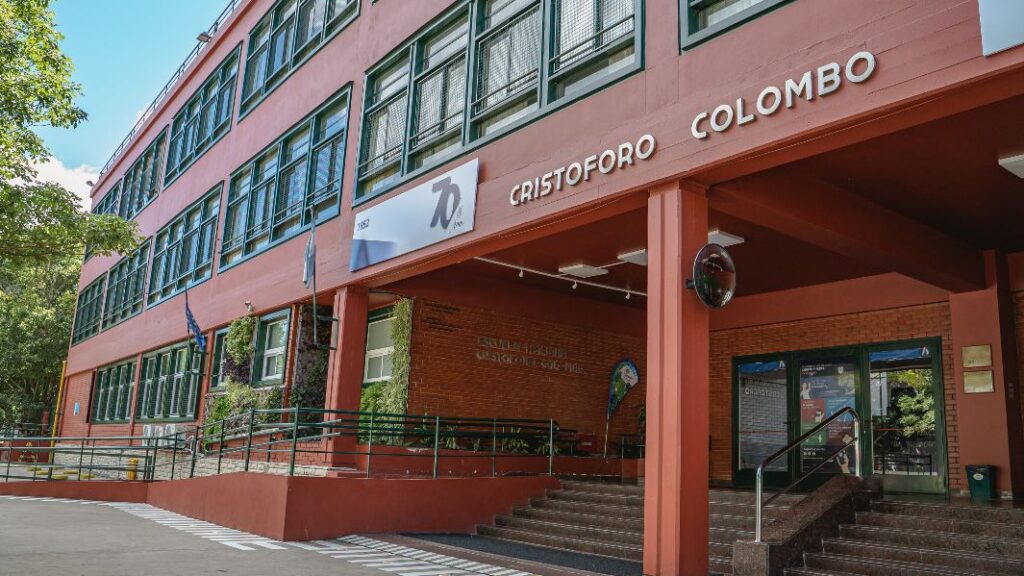
Private schools, on the other hand, often offer bilingual instruction, and more extracurricular activities. Some follow international curriculums like the International Baccalaureate (IB) that offers English, French, German, or Italian-language programs (Edarabia, 2025). Private education in Argentina is affordable compared to international standards, making it a popular option for expats. Monthly tuition in prestigious private schools in Buenos Aires can range from $500 to $2000 USD per month, though some top international schools like Lincoln School can have annual tuition fees ranging from $14,490 to $19,920 USD (Immi.Legal, 2024; Gateway to South America, 2025). These schools may have longer school days, more structured teaching methods, and a wider range of services, including after-school programs.
Language Barriers and Integration
One of the most common concerns for foreign families in Argentina’s School System is the language barrier. Public schools operate entirely in Spanish (ResearchGate, 2025; Wikipedia, 2025). While teachers may offer some support, there are generally no dedicated ESL (English as a Second Language) programs in most public schools. That said, children tend to adapt quickly, especially in early grades. Private and international schools within the School System can help bridge the gap with bilingual instruction and multicultural environments.
Some families choose to enroll their children in a public school for faster cultural integration, while others prefer bilingual private institutions to ease the transition. In both cases, parents should be prepared to support their child’s language development at home; and ideally, start building some basic Spanish skills before arrival.
How to Enroll Your Child
Enrolling in a public school within Argentina’s School System usually involves registering at the school closest to your address. You’ll typically need a valid residency document, such as a DNI, your child’s passport, vaccination records, and previous academic transcripts if applicable (Lincoln School, 2024). Any foreign academic transcripts will likely need to be legalized/apostilled in your home country and translated into Spanish by a sworn translator in Argentina (Lincoln School, 2024). The process typically happens in the months leading up to the new school year, often from October to December, though some provinces allow rolling admissions (Expat Info Desk, 2024).
Private and international schools within the School System may have longer application processes. Many ask for application fees, placement interviews, and academic evaluations. Some fill up quickly, especially in Buenos Aires, so it’s wise to begin inquiries several months in advance; ideally before arriving in the country if you plan to enroll for the upcoming school year.
Daily Life in Argentine Schools
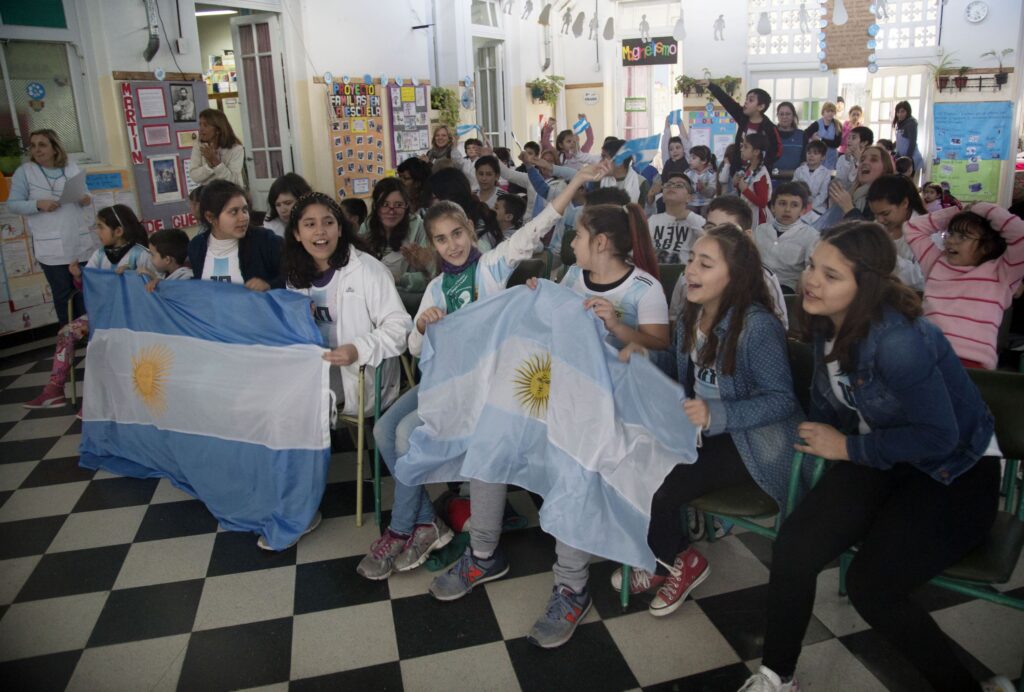
The school environment in Argentina’s School System is known for being warm and social. Teachers are generally approachable, and parents are encouraged to stay involved through school meetings (reuniones) and community activities. Uniforms are standard in both public and private schools, though their style and cost can vary widely.
Lunch routines differ depending on the school shift within the School System. Morning students usually return home for lunch, while those attending private or full-day schools may eat at the school cafeteria or bring food from home. Extracurricular options also vary but are often less formal in public institutions. Private schools typically offer sports, music, theater, and language clubs.
Choosing Between School Types
Ultimately, your decision may depend on your goals: do you want your children to fully integrate into Argentine culture and language, or would you prefer a more international or bilingual setting? Some expat families begin with private schools and later transition into the public system as their Spanish improves. Others take the opposite route, especially when they seek a more affordable education in the long term or want to foster deeper cultural immersion.
Why Understanding the School System Matters
For foreign families, choosing a school is more than just an educational decision; it’s about creating a sense of stability and community. Argentina offers a welcoming education system, open access to public services, and a wide variety of private options to suit different backgrounds and budgets. The flexibility and diversity in schooling make Buenos Aires particularly accommodating for newcomers.
Whether you’re planning a temporary stay or a long-term move, getting to know the Argentine education system is a key part of making your relocation successful. It’s not only about where your child learns; it’s about how they connect to a new culture, build friendships, and find their place in a new country.
Top 5 Essential Resources for Parents Moving to Argentina
📚 Expatica: Education in Argentina
A guide for expat families navigating schools and education options across Argentina.
Visit Site🏫 Official Argentine Education Portal
The government’s official resource for education programs and school information.
Visit Site🎓 Nuffic: Argentine School System
Detailed overview of Argentina’s education stages and school structure.
Visit Site🏫 Lincoln School Buenos Aires
Top international school offering bilingual programs and a supportive expat environment.
Visit Site📖 StandYou: Education in Argentina
Compare schools, tuition fees, and programs available for foreign families.
Visit Site


