Contemplating a move to Latin America is an exciting decision, whether you’re driven by the allure of a better cost of living, a thirst for new cultural adventures, or the desire to thrive as a remote worker in a vibrant new setting.
When the time comes to select your new home city, Buenos Aires (Argentina), Rio de Janeiro (Brazil), and Montevideo (Uruguay) consistently emerge as the top contenders. Each city hosts a unique blend of cultural richness, captivating scenic beauty, and an accessible cost of living.
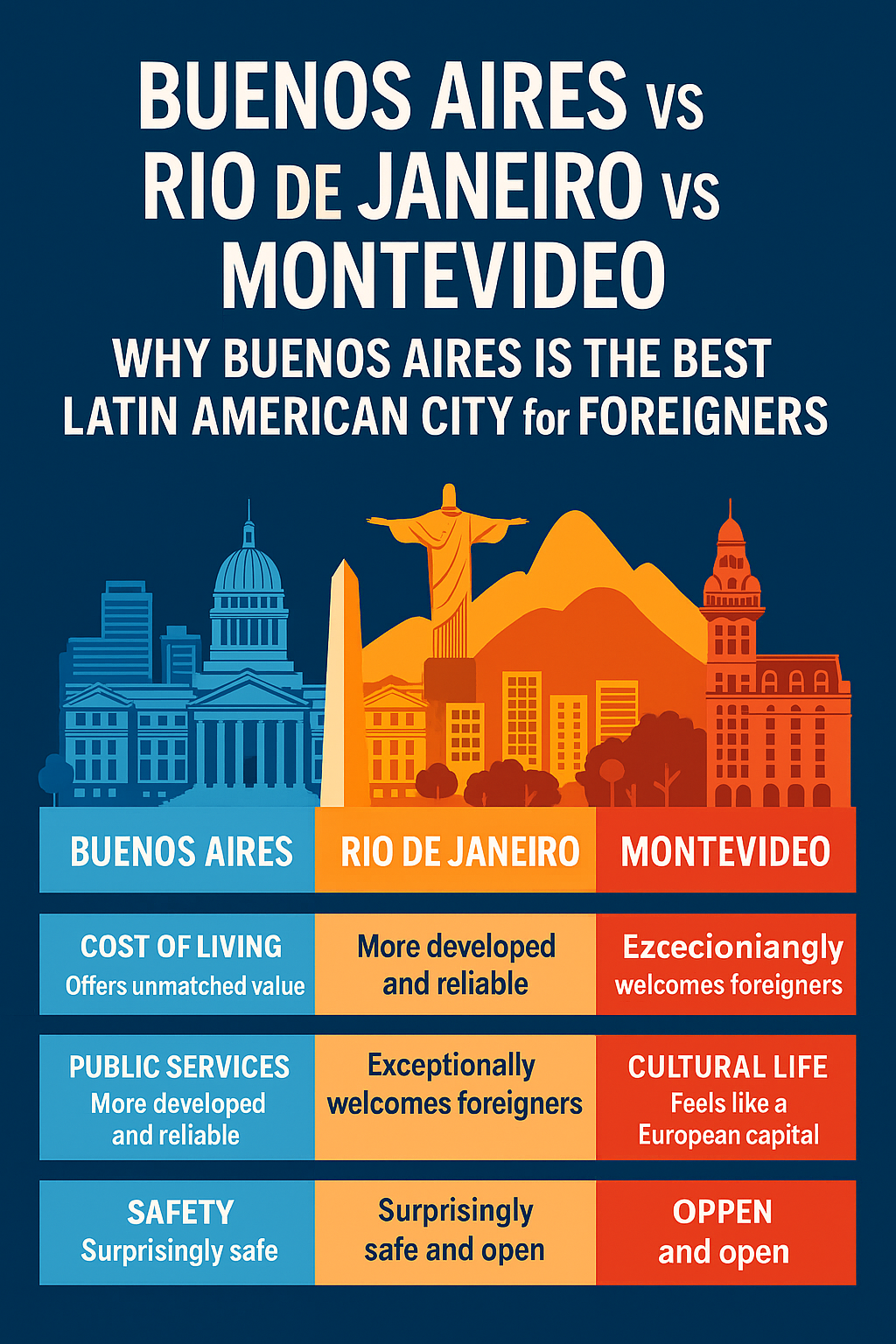
For foreigners, when all critical factors are weighed, Buenos Aires stands out as the superior City for Foreigners, winning by a significant margin.
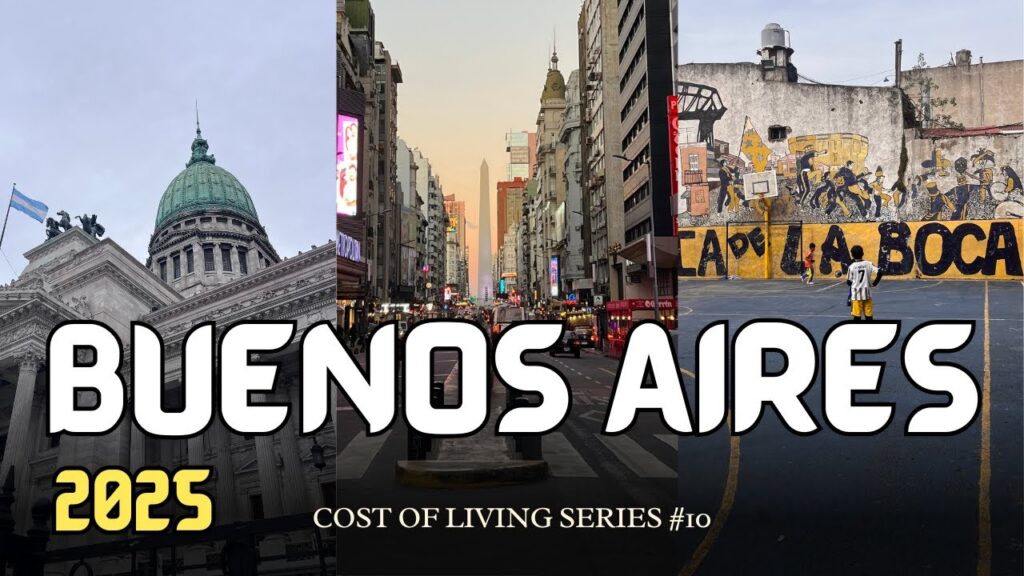
Cost of Living: Buenos Aires Offers Unmatched Value
While all three capitals show a more affordable lifestyle compared to major Western cities, Buenos Aires is unequivocally the most budget-friendly for foreigners. The unique economic landscape grants significantly enhanced purchasing power, making it clear why Buenos Aires stands out as the most cost-effective City for Foreigners in Latin America. This makes Buenos Aires especially attractive as a City for Foreigners, where a luxurious lifestyle, high-quality dining surrounds, comfortable private rentals, efficient transportation, and diverse entertainment can be enjoyed for a fraction of the cost found elsewhere.
In 2025, you can realistically rent a modern, well-located one-bedroom apartment in desirable central neighborhoods like Palermo, Recoleta, or Belgrano for as little as $400–$700 USD per month (Nomads.com, 2025). A full, high-quality meal at a reputable restaurant often costs no more than $8–$15 USD, including wine (Numbeo, 2025). Public transportation fares are remarkably low.
For comparison:
Rio de Janeiro presents significantly higher housing costs, with apartments in secure, attractive neighborhoods like Ipanema or Leblon often starting at $1,000–$1,500 USD per month. Daily expenses, particularly for imported goods or dining out, are also considerably steeper (Expatistan, 2025).
Montevideo has become increasingly expensive in recent years. Rent for comparable apartments typically ranges from $800–$1,200 USD per month, and utility costs can often surpass those in the U.S. or Europe. Basic groceries and services are notably pricier than in Buenos Aires, reflecting Uruguay’s overall higher economic stability but lower purchasing power for foreign currencies (Live and Invest Overseas, 2025).
Public Services and Infrastructure: Buenos Aires is More Developed and Reliable

Thanks to decades of European influence and continuous investment, Buenos Aires boasts the region’s most reliable transport and healthcare systems. From the Subte to world-class hospitals, daily life is both easier and cheaper. This level of infrastructure makes Buenos Aires a top City for Foreigners seeking comfort . This is complemented by an incredibly extensive and reliable bus network (colectivos) and the innovative Metrobus system, featuring dedicated lanes for rapid transit across major avenues (Gobierno de la Ciudad de Buenos Aires, 2025). Getting around the city is not only straightforward but also exceptionally affordable with the SUBE card. Reliable and widely available Wi-Fi (both public and private) further ensures seamless connectivity, reinforcing Buenos Aires as a standout City for Foreigners seeking convenience and efficiency.
In contrast:
Montevideo’s public transport system, while functional, is more limited in scope and frequency, relying primarily on buses without a metro network.
Rio de Janeiro’s infrastructure, despite recent improvements for major events, still grapples with issues like traffic congestion, occasional delays, and, at times, safety concerns on certain routes or during off-peak hours (The Brazilian Report, 2024).
Beyond transportation, Buenos Aires offers world-class healthcare facilities. Its public hospitals, such as Hospital de Clínicas or Hospital Durand, are renowned across Latin America for their cleanliness, safety, professional staffing, and high-quality care, often provided at little to no direct cost to residents (Ministerio de Salud de la Nación, 2025). While private healthcare options are also abundant and affordable for expats, the robust public system provides an invaluable safety net. This well-developed infrastructure significantly eases daily life and offers peace of mind for foreigners.
Cultural Life: Buenos Aires Feels Like a European Capital
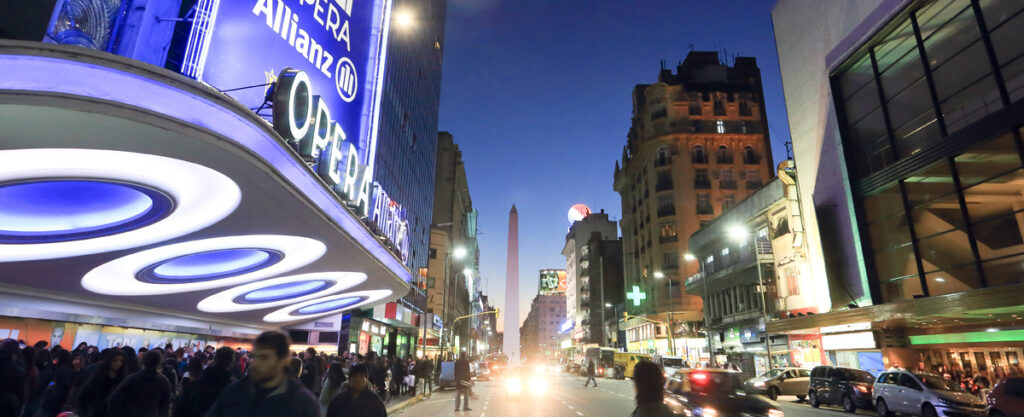
While both Rio and Montevideo boast rich and distinct cultures, Buenos Aires stands out for its thriving, diverse, and distinctly European-style cultural life. The city pulses with an almost inexhaustible creative energy, offering an unparalleled array of cultural attractions that make it a top City for Foreigners who value culture and lifestyle:
Theaters: Home to over 300 theaters, including the world-renowned Teatro Colón (Gobierno de la Ciudad de Buenos Aires, 2025).
Art Galleries & Museums: Countless galleries showcasing local and international art, from classic to contemporary (e.g., MALBA, Museo Nacional de Bellas Artes).
Live Music: From intimate jazz clubs in Palermo Soho to grand opera, rock concerts, and traditional folk music.
Tango: The birthplace of Tango, with nightly shows (casas de tango), informal dance halls (milongas), and street performances throughout San Telmo.
Bookstores & Cafes: A city obsessed with literature, boasting more bookstores per capita than almost any other city in the world, complemented by an iconic cafe culture (World Economic Forum, 2015).
Buenos Aires offers a 24/7 social culture, from late-night dining to bustling weekend markets like the Feria de Mataderos or the artisans’ fair in San Telmo. You will genuinely never run out of things to explore.
In contrast:
Montevideo, while charming, is considerably quieter and offers a more subdued cultural scene. Its pace is relaxed, and while it has its own cultural gems, it lacks the sheer scale and dynamism of Buenos Aires.
Rio de Janeiro is primarily defined by its stunning beaches, vibrant carnival, and pervasive samba culture. While exhilarating, its cultural offerings are more beach-focused and can feel overwhelming or chaotic for long-term daily living for those not constantly seeking its high-energy, outdoor lifestyle.
Safety and Social Climate: Surprisingly Safe and Open

Despite outdated myths, Buenos Aires is statistically safer than Rio de Janeiro, especially for foreigners residing in well-established neighborhoods. Areas like Palermo, Colegiales, Belgrano, and Núñez report very low crime rates and are highly accustomed to expat residents. While petty theft (pickpocketing, phone snatching) can occur, similar to any major global city, violent crime is significantly lower than in many other Latin American capitals. According to Numbeo’s 2025 data, Buenos Aires consistently ranks with a lower crime index and higher safety perception than Rio de Janeiro (Numbeo, 2025), strengthening its reputation as a reliable City for Foreigners.
The social climate in Buenos Aires is another significant advantage. Porteños are known for their directness, curiosity, and warmth. They are genuinely open to meeting foreigners and often eager to share their culture, engage in conversation, and even practice English. This open-mindedness makes social integration remarkably easy, leading many expats to feel at home much faster than anticipated.
Montevideo is indeed very safe and offers a calm, intimate environment. However, its smaller size means fewer diverse social opportunities, and some foreigners might find it less stimulating over extended periods, particularly if they are accustomed to larger, more bustling urban centers.
Rio de Janeiro, despite its undeniable beauty, continues to battle high rates of violent crime and deep social inequality, which can necessitate a more guarded and cautious lifestyle even in affluent areas. While Cariocas are famous for their friendliness, the underlying security concerns can impact one’s freedom to explore and integrate fully.
Buenos Aires, therefore, strikes an ideal balance; it offers the dynamism and opportunities of a major world city alongside a surprisingly high level of safety and an incredibly welcoming social environment.
Why Foreigners Keep Picking Buenos Aires
Whether you’re a digital nomad, retiree, student, or entrepreneur, Buenos Aires delivers affordability, opportunity, and a welcoming lifestyle. With its ongoing reforms and strong expat support, the city continues to prove itself as Latin America’s leading City for Foreigners, offering a vibrant and secure place to call home. Buenos Aires consistently offers the best blend of affordability, opportunity, robust infrastructure, cultural richness, safety, and an open lifestyle. And with Argentina’s ongoing economic reforms under President Javier Milei aimed at simplifying bureaucracy, attracting foreign talent, and fostering investment, the city is only becoming easier to adapt to and thrive in (La Nación, 2025).
If you’re facing the exciting decision between Rio, Montevideo, and Buenos Aires for your next chapter; choose the city that consistently proves itself as a vibrant, welcoming, and ultimately more livable home for thousands of happy expats from all corners of the globe, and that’s Buenos Aires.