
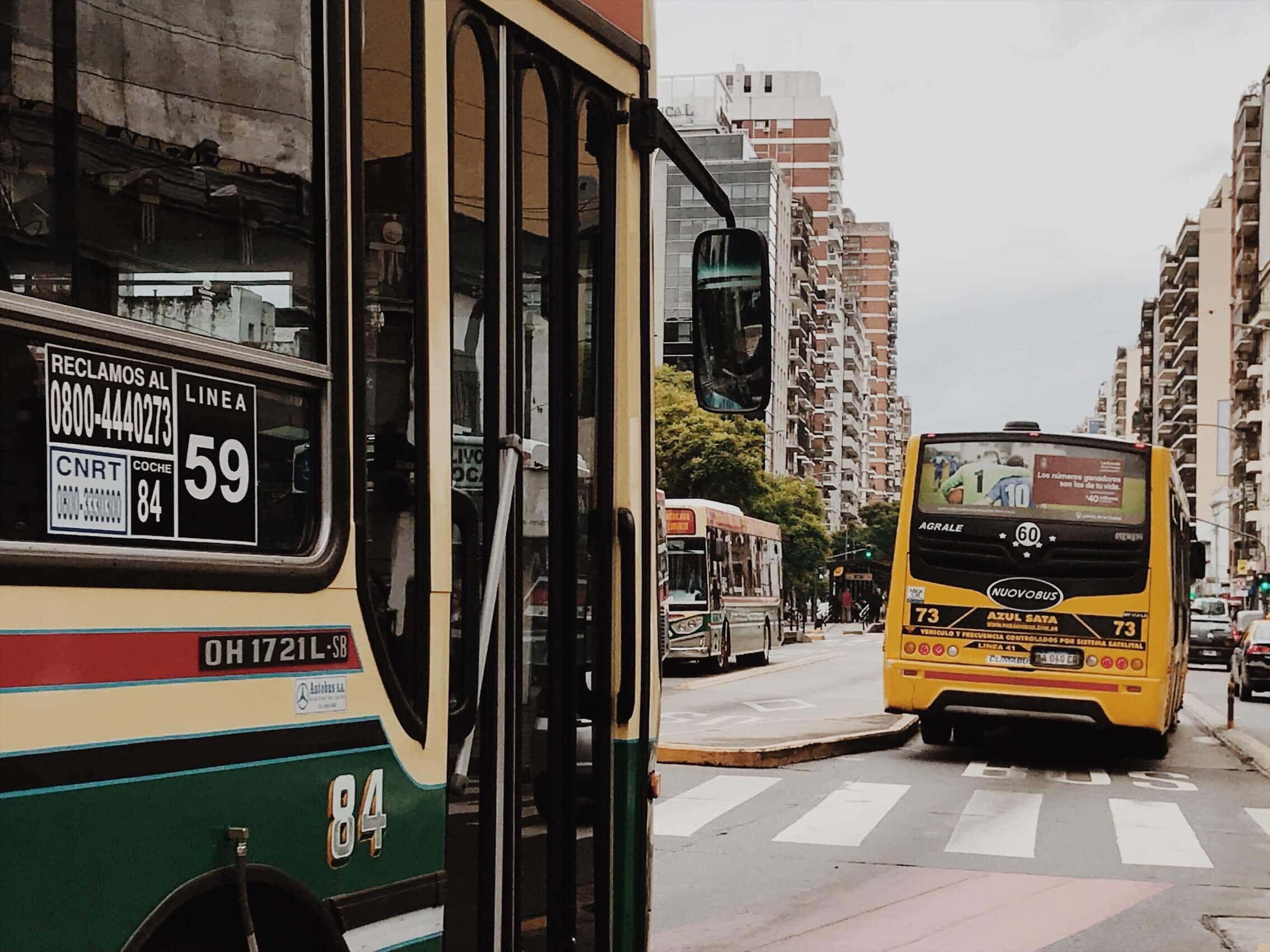
Picture this: You’ve arrived in Buenos Aires, and don’t know what option to use between colectivos, subtes, and SUBE. Navigating the city’s public transport can be more extensive than other countries, but with a few insider tips, you’ll glide through like a porteño. From acquiring the right fare card and understanding boarding etiquette to choosing the best methods and knowing where to tap, this guide teaches you how to ride with confidence, and maybe even a smile. Let’s get it!
The Power of the SUBE Card
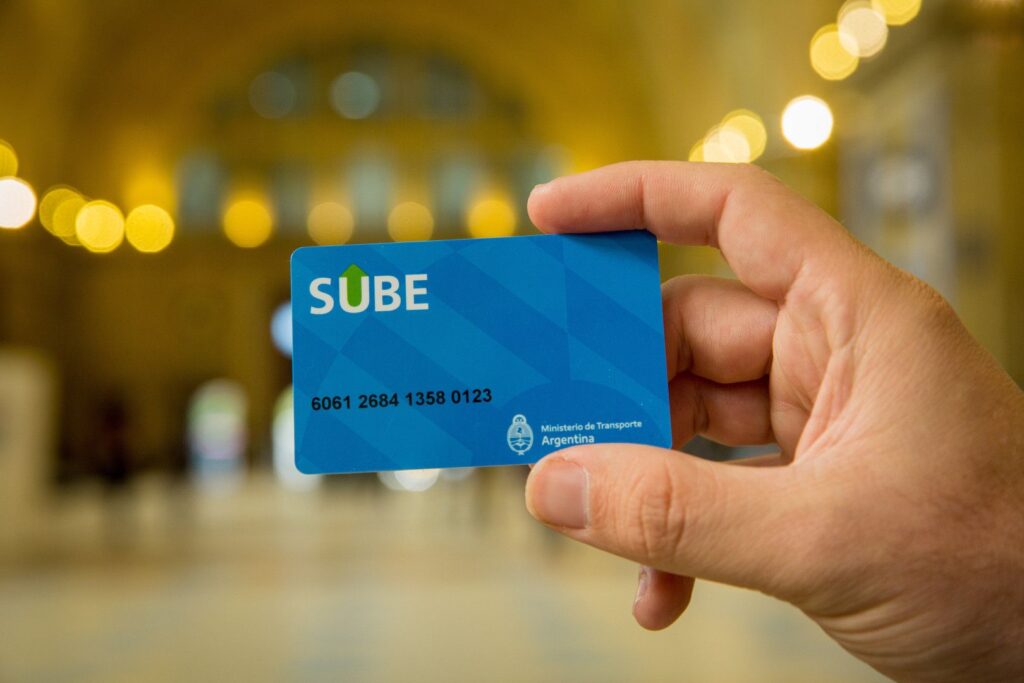
In Buenos Aires, almost all public transport, including buses, trains, and the subway (subte), relies on the SUBE card, a rechargeable, contactless fare card (Argentina.gob.ar, n.d.).
Registering your card online is highly recommended, as it allows you to enjoy discounted fares (especially through the RED SUBE benefit for transfers), track your expenses, and utilize a small negative balance if your credit runs low (Argentina.gob.ar, n.d.; Argentina.travel, 2025).
As of early 2025, new payment options have significantly expanded: the Subte now accepts contactless debit/credit cards (Visa and MasterCard) and digital wallets like Google Pay or Apple Pay directly at the turnstiles. However, colectivos (buses) still exclusively require a SUBE card (Buenos Aires Herald, 2025; Clarín, 2025).
You can purchase and top up your SUBE card at subway stations, train terminals, kiosks displaying the blue SUBE logo, or via the official Carga SUBE mobile app (Argentina.gob.ar, n.d.; SUBE, n.d.).
Riding the Colectivo (Bus) Like a Local
The colectivos, or city buses, form the pillar of Buenos Aires’s transport network, weaving through nearly every corner of the city, and many lines run 24/7 (Buenosaires.gob.ar, n.d.). Want to ride like a local? Here’s how:
- Signal: Stand at the bus stop and raise your arm clearly when your bus approaches, as drivers won’t stop otherwise.
- Boarding: Always board through the front door.
- Tap and State Destination: Immediately tap your SUBE card on the reader. You will need to tell the driver your destination (usually a cross-street or neighborhood name) as the fare is calculated based on distance (Argentina.travel, 2025; Buenosaires.gob.ar, n.d.).
- Move Back & Offer Seats: Move toward the back of the bus to keep the entry clear and allow other passengers to board. It’s customary to offer your seat to pregnant women, seniors, or individuals with disabilities.
Requesting Your Stop: To request your stop, ring the red bell located throughout the bus (often on poles) before your destination. Drivers expect orderly queues at stops; running after a moving bus is not only considered rude but also dangerous.
Mastering the Subte (Subway)
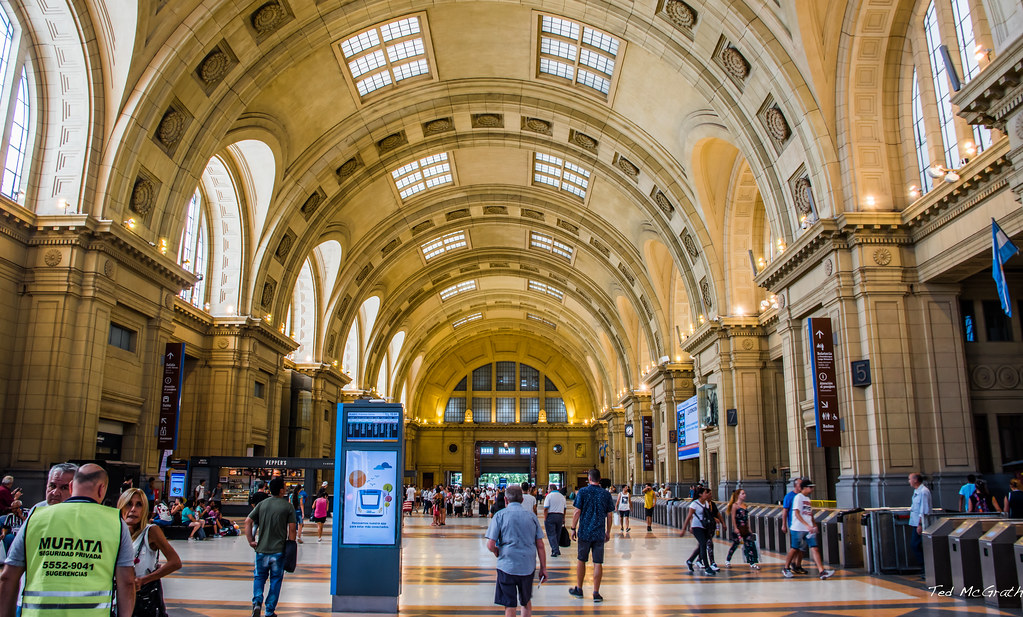
Buenos Aires boasts the oldest subway system in South America, with six main lines (A, B, C, D, E, H) crisscrossing the city (Buenosaires.gob.ar, n.d).
Using it is generally straightforward:
- Entry: Tap your SUBE card or a contactless credit/debit card or digital wallet (as available), at the turnstile to enter. Tapping out is not required.
- Boarding Etiquette: Always allow passengers to exit the train completely before attempting to board. Board and alight in an orderly fashion.
- Awareness: Keep your belongings close and be aware of your surroundings, especially during crowded periods. (La Nación, 2024).
While the Subte may not cover every single neighborhood directly, it is often the fastest and most reliable option for reaching core routes and connecting major areas.
Ride-Sharing, Taxis & Ecobici
Taxis and ride-hailing apps like Cabify or DiDi are popular alternatives, offering convenience. While app-based services allow card payments, many traditional taxi drivers, and even some ride-hailing drivers, may still prefer cash payment (Clarín, 2024).
When hailing a taxi, it’s generally safer to choose one from a reputable “radio taxi” fleet (identifiable by a rooftop sign and company name) or book via a trusted app, especially when traveling from the airport where it’s advisable to agree on fares in advance or use official pre-paid services.
For a scenic and active commute, Ecobici, Buenos Aires’s official free public bike-sharing system (operated by Tembici) is an excellent choice. The city has hundreds of kilometers of protected bike lanes and numerous stations. Registration requires a passport and credit card (for security deposit). Weekdays allow for a free first hour of use, while weekends and holidays permit two free hours. If you need more time, simply return the bike, wait five minutes, and take another (Buenosaires.gob.ar; Ecobici by Tembici).
Avoiding Common Mistakes
To ensure a smooth public transport experience:
- Check SUBE credit: Don’t wait until you’re about to board to realize your SUBE card has no credit or you’ll be stuck. Top it up proactively (Argentina.gob.ar, n.d.).
- Don’t block doors: Always move down the aisle or to the side, and allow people to exit completely before you attempt to board (Buenosaires.gob.ar, n.d.).
Use headphones: Playing music or loud videos from your phone without headphones is considered impolite and will make you stand out.
Tech Tools to Ride Smarter
Apps like Moovit and Google Maps are invaluable for routing public transport and understanding schedules in Buenos Aires. They’ll tell you which bus or subte line to take, where to transfer, and when to get off, a must for newcomers (Buenosaires.gob.ar, n.d.).
The official SUBE app (SUBE, n.d.) also allows you to check your balance, review trips, and find nearby top-up points. When in doubt, most locals are happy to help if you ask politely in Spanish with a smile.
Now You Know How To Ride & Feel Like a Local
Once you master the SUBE card (and embrace contactless payments where available), respect the boarding rules, and stay aware of your surroundings, Buenos Aires’s public transport becomes a seamless part of daily life. You’ll transition from being a tourist to living at a local rhythm, catching buses on one sec, hopping subte lines in the evening, or cruising by Ecobici. Get your SUBE topped up, set your transit app, and explore this exciting city.
Helpful Resources for Using Public Transport in Buenos Aires
Official SUBE Card Info
How to get, register and top-up your travel card for buses, trains and the subway.
Buenos Aires Subway Map
Find updated Subte lines, timetables and service alerts.
Moovit Transit Planner
Plan your trip across buses, trains and the Subte with real-time updates.
Ecobici Bike-Share
Register and learn how to use the city’s free public bike system.


