

Argentina is quickly becoming one of the most popular destinations in Latin America for expats, digital nomads, retirees, and international students. One of the biggest reasons is its accessible, high-quality healthcare system. Whether you’re in Buenos Aires or a smaller city, you’ll find that medical care is affordable, professional, and surprisingly inclusive, even for foreigners.
If you’re wondering what options are available and how the system works, here’s a full breakdown of public and private healthcare in Argentina
A Three-Tier System That Works
Argentina’s healthcare is divided into three main sectors:
- Public (universal and free): Primarily funded by taxes, offering free care at the point of service.
- Private (paid, either out-of-pocket or via private insurance): Offers more personalized care, often with shorter wait times.
- Social security (Obra Social): A mandatory system for formally employed workers, funded by employer and employee contributions, providing coverage often linked to specific unions or sectors.
Foreigners most commonly utilize either public hospitals for emergency or essential care, or private clinics with direct payment or private insurance, depending on their needs and budget.
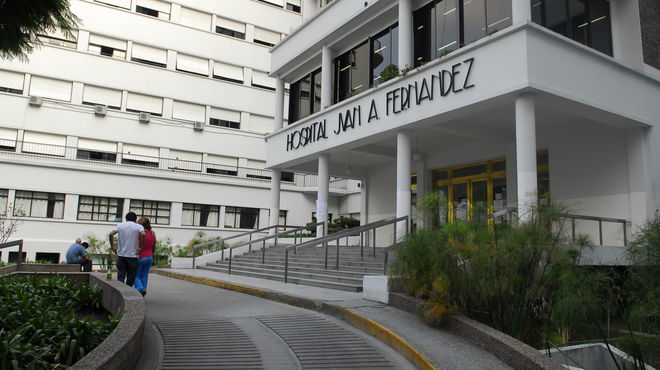
Public Healthcare: Free and Universal Access, with New Requirements
One of the most remarkable aspects of Argentina’s healthcare system has been its principle of universal access. Public healthcare has generally been free at the point of service for everyone, including tourists, temporary residents, and undocumented migrants (Government of Canada, 2024). You typically do not need a DNI (national ID), insurance, or legal residency to receive treatment in a public hospital, especially in an emergency.
However, a significant change has been implemented. As of July 1, 2025, all foreign visitors are required to present valid health insurance or medical assistance covering the entire duration of their stay to enter Argentina (Visit Latin America, 2025; Dexotic, 2025). Permanent residents will continue to have full access to the public healthcare system under the same conditions as Argentine citizens (Visit Latin America, 2025).
The public system is funded by the national and provincial governments and includes:
- General hospitals.
- Neighborhood clinics (salitas).
- Specialized public centers.
In Buenos Aires, you’ll find some of the country’s top public hospitals, such as:
- Hospital de Clínicas “José de San Martín”.
- Hospital Fernández.
Pros of Public Healthcare:
- Free for emergencies and critical care, even for tourists or undocumented migrants (Visit Latin America, 2025).
- Available 24/7, with emergency rooms in all public hospitals.
- Broad range of specialties and services.
- High-quality medical professionals, often trained at top public universities (International Living, 2025).
Challenges:
- Long wait times for non-urgent appointments or elective procedures are common due to high demand (International Living, 2025).
- Limited English-speaking staff outside major cities; Spanish proficiency is highly recommended (International Living, 2025).
- As of July 2025, regular access for non-residents requires proof of valid health insurance or advance payment (Visit Latin America, 2025).
Private Healthcare: Affordable Quality, Fast Access

Many foreigners, especially expats and digital nomads, opt for private clinics and hospitals. These facilities typically offer faster service, more comfort, modern equipment, and often, English-speaking professionals. Even without insurance, private care is significantly more affordable than comparable services in the US or parts of Europe.
- Consultations with specialists can cost between $11–$30 USD (for an uninsured visit). More comprehensive consultations may range up to $50-120 USD (Holafly, 2025). Routine lab work or diagnostics are similarly low-cost.
- If you’re staying long-term, it makes sense to enroll in a private health insurance plan (known as medicina prepaga), which typically ranges from $50 to $150 USD per month, depending on age, coverage level, and the specific company (International Living, 2025; Invest in Argentina, 2024).
Popular private healthcare networks include:
- Swiss Medical.
- OSDE.
- Galeno.
- Medicus.
- Hospital Alemán (German Hospital, known for high quality and often multilingual staff).
Pros of Private Healthcare:
- Short or no wait times for appointments and procedures.
- Often multilingual staff, especially in major urban centers.
- High-quality preventive and specialized care.
Challenges:
- Must pay out-of-pocket or via private insurance.
- Not all private plans may be immediately available for tourists or very short stays; some may require proof of residency or DNI (International Living, 2025).
- Some plans may have waiting periods for certain complex procedures or pre-existing conditions.
Can Foreigners Really Access Healthcare? Yes!
Here’s what different types of visitors can access in Argentina’s healthcare system:
Tourists & Short-Term Visitors:
Can access public healthcare services for free in emergencies.
As of July 2025, must have valid health insurance upon entry for regular access to public facilities and admission to the country (Visit Latin America, 2025).
Can pay cash at private clinics or hospitals for private healthcare.
Can purchase short-term international travel insurance before arrival or local prepaid medical plans (e.g., from Swiss Medical) for broader coverage during their stay (International Living, 2025).
Temporary Residents (students, digital nomads, retirees):
Have access to public healthcare, though the new insurance requirement applies upon entry.
Can easily enroll in local private healthcare insurance plans (medicina prepaga), which typically require proof of legal temporary residency or a temporary DNI (International Living, 2025; Argentine Asado, 2025).
Permanent Residents or Citizens:
Have full access to all three tiers of Argentina’s healthcare system: public, private, or social security (Obra Social).
Typically combine public access with comprehensive private healthcare coverage for full protection.

What About Medications?
Pharmacies are numerous and easy to find across Argentina, making access to medications an important part of the country’s healthcare system. Prescription medications are often heavily subsidized (International Citizens Insurance, 2024), though not entirely free in the public system, with patients sometimes paying 30% to 60% of the cost (Pacific Prime Latin America, 2024). Many medications that require a prescription in countries like the U.S. are available over the counter in Argentina.
If you’re using private healthcare insurance, most medications are partially or fully reimbursed, depending on your plan. Public hospitals also provide many prescriptions free of charge for patients treated within the public healthcare system, particularly for chronic conditions or specific programs (WTTW, 2025).
Emergency Care: No One Gets Turned Away
In a medical emergency, go directly to the nearest public hospital or call 107 in Buenos Aires, the city’s public ambulance service (GOV.UK, 2024). No upfront payment or paperwork is required in an emergency situation, ensuring immediate access to Argentina’s healthcare services.
This is one of the most reassuring aspects of the Argentine healthcare system for many travelers or newcomers. You will always be treated first, and no public hospital will refuse care due to lack of money or documents, highlighting the inclusivity of Argentina’s public healthcare.
Is It Safe and Reliable?
Argentina’s healthcare professionals are well-trained, often educated in the country’s excellent public universities, and many hold international experience (International Living, 2025). The overall quality of healthcare in Argentina is considered high for Latin America, ranking around 37th globally in the Health Care Index (Armenia Immigration Lawyers, 2025). While public facilities may not always have the modern aesthetic of private clinics, the medical quality within Argentina’s healthcare system is generally very high, especially in major cities like Buenos Aires, Córdoba, and Rosario.
You’ll Be Always Safe.
Argentina’s healthcare system remains one of the country’s most attractive features, a unique combination of universal public access (especially for emergencies) and affordable, high-quality private options. While new regulations requiring health insurance for entry affect non-residents, Argentina continues to stand out by making essential healthcare remarkably accessible to nearly everyone, regardless of their residency status.
For those considering a move to Argentina, whether for a few months or a lifetime, healthcare won’t be a problem; it might actually be one of the best parts of your experience.

References and Useful Links on Argentina's Healthcare
- International Living - Healthcare in Argentina
- Visit Latin America - Healthcare Information
- Government of Canada - Travel Health Advisory
- Dexotic - Health Insurance Requirements in Argentina
- Pacific Prime Latin America - Medication & Insurance Info
- Armenia Immigration Lawyers - Argentina Healthcare Index
- WTTW - Public Health Programs in Argentina
- GOV.UK - Argentina Healthcare & Emergency Services


