Imagine living in Argentina, where public holidays don’t just mean a day off they’re mini-celebrations that bring the entire country together. From colorful carnivals to solemn remembrances, Argentina transforms moments of pause into powerful expressions of identity, culture, and community. Let’s take you through how Argentina really celebrates its holidays, with food, music, deep emotions, and genuine connection.
The Rhythm of the Argentine Calendar
Argentina’s holiday calendar is an amazing blend of religion, national milestones, and lively cultural festivals. Many of these are strategically extended into long weekends, known as feriados, specifically designed to encourage domestic travel and strengthen family bonds (Argentina.travel, 2025).
Public holidays like New Year’s Day (Año Nuevo) and core Christian observances such as Good Friday (Viernes Santo) largely align with global practices (Argentina.gob.ar, 2025).
In late February or early March, depending on the year, the country erupts in Carnival, which is especially vibrant in places like Gualeguaychú, Entre Ríos. Here, elaborate costumes, infectious dance, and playful water-fights create a magnificent atmosphere (Carnaval del País, 2025).
Remembering History and Heroes
Argentina is a nation really proud of its historical identity, and several holidays are infused with deep meaning and collective remembrance:
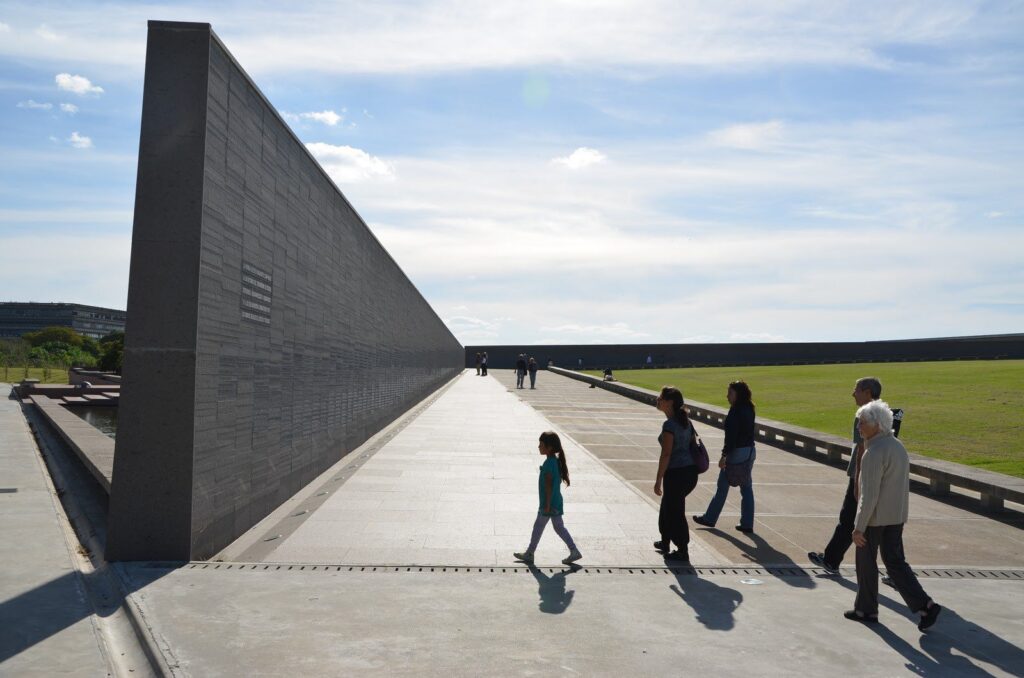
- On March 24, Argentina observes the Día Nacional de la Memoria por la Verdad y la Justicia (National Day of Remembrance for Truth and Justice). This solemn day honors the victims of the 1976–1983 civic-military dictatorship. Communities gather at iconic sites like Plaza de Mayo, and attend film screenings. (Argentina.gob.ar, n.d).
- April 2 marks the Día del Veterano y de los Caídos en la Guerra de Malvinas (Day of the Veterans and Fallen in the Malvinas War), paying heartfelt tribute to those who lost their lives in the 1982 Falklands War. Veterans are honored with ceremonies across the country, and Argentine flags proudly adorn streets and buildings (Argentina.gob.ar, n.d.).
During these days, the country collectively pauses in reflective unity, highlighting its unwavering commitment to human rights and national memory.
National Pride and Festivity
Argentina celebrates its independence and national symbols with remarkable vibrancy and enthusiasm:
- May 25 marks the Revolución de Mayo (May Revolution), commemorating the establishment of the First National Government in 1810, which set Argentina on the path to independence. Streets throughout the country often fill with parades, cultural performances, and the aroma of traditional dishes like locro (a hearty stew) and pastelitos (sweet pastries) (Clarín, 2025; Argentina.gob.ar, 2025).
- June 20 is Día de la Bandera (Flag Day), honoring Manuel Belgrano, the creator of the Argentine flag, on the anniversary of his passing. In Rosario, his birthplace, schools and families traditionally carry a massive Argentine flag through the streets, uniting communities in a powerful display of patriotism (Rosario.gob.ar, n.d.; Clarín, 2025).
July 9 celebrates Día de la Independencia (Independence Day), marking the formal declaration of independence in 1816. This day features official parades with marching bands, military honors, and widespread echoes of the national anthem (Argentina.gob.ar, 2025).
Cultural Festivals that Redefine Holidays
Argentine public celebrations often extend beyond fixed calendar dates, with precious cultural festivals defining regional pride and national identity:
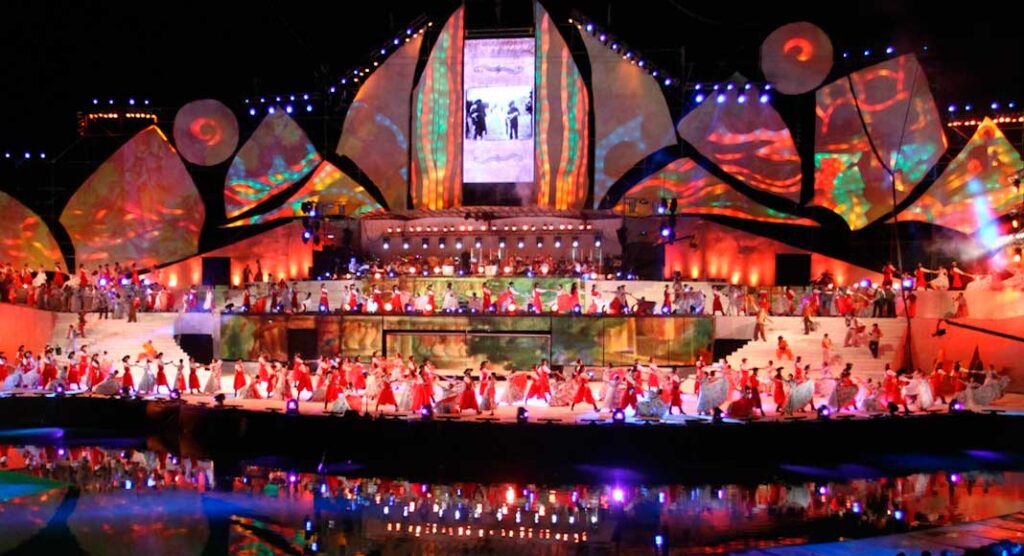
- Fiesta Nacional de la Vendimia (National Grape Harvest Festival), held every March in Mendoza, is a spectacular celebration of the grape harvest. It features grand parades, the traditional selection of a “Harvest Queen,” vibrant folk music, and dazzling fireworks displays, drawing thousands of visitors from across Argentina and beyond (Mendoza.tur.ar, n.d.).
- In January, the Cosquín Festival in Córdoba marks the height of folklore music. This renowned event features open-air concerts, traditional dances, and nightly bonfires, a living festival that skillfully weaves Argentina together through its diverse regional roots (Festival de Cosquín, n.d.).
- Bariloche’s Fiesta Nacional de la Nieve (National Snow Festival), typically held in August, celebrates the winter season with torch-lit ski parades, thrilling competitions, local crafts, and live music, embracing Patagonia’s unique natural beauty and seasonal identity (Bariloche.org, n.d.).
These events are more than just holidays; they are immersive cultural experiences that define regional pride and contribute significantly to the national identity.
Celebrations at Home: Family, Food & Fireworks
Beyond public events, holidays in Argentina are fundamentally about intimate family gatherings, shared meals, and the celebratory spectacle of fireworks lighting up the summer sky:
- Christmas Eve in Argentina is a long, emotional family affair. Dinner often begins around 9 p.m., culminating in fireworks at midnight, and dessert enjoyed at outdoor tables, with families often staying up well past dawn (Clarín, 2023).
- On New Year’s Eve, families gather for an asado or roast pork, partake in the tradition of eating twelve grapes at midnight for good luck, and light fireworks as the new year officially strikes (La Nación, 2023).
Even less traditional holidays like Labor Day (May 1) or Teacher’s Day often involve cozy dinners at home, extended phone calls to relatives, and quiet time spent at extended family tables, frequently accompanied by homemade facturas (pastries)
Why Holidays Matter to Anyone Moving Here
For anyone considering a new life in Argentina, holidays are far more than mere breaks from work; they are the lifeblood of social life. They offer invaluable opportunities for newcomers to:
- Meet locals in informal and festive settings, be it at parades, family dinners (if invited), or neighborhood block parties.
- Discover regional cultures firsthand, especially through immersive experiences at festivals like Vendimia in Mendoza or Cosquín in Córdoba.
- Feel welcomed, locals genuinely appreciate when foreigners engage with their traditions, ask questions, and show genuine interest.
Experience the country’s rhythm, Argentina’s characteristically relaxed daily pace, and emphasis on social connection are best observed and felt during these unhurried holiday periods.
Understand That Holidays Are the Heart of Argentine Life
Argentina’s public holidays aren’t just days off work; they are vibrant opportunities to connect deeply with communities, traditions, and an infectious sense of joy. Through colorful parades, meaningful rituals, cherished family meals, and exhilarating festivals, you’ll experience the passion and warmth that make Argentina more than just a place; you’ll find it’s a profound feeling. So when the next holiday comes, don’t stay indoors. Step outside. Explore your neighborhood as people decorate their balconies. Ask locals what traditional dish they’ll eat or what song they’ll sing. You might just find that Argentina welcomes you, most festively and unforgettably possible.
Explore More About Argentina’s Holidays and Traditions
Official Argentine Holidays Calendar
Check the updated list of national holidays and long weekends directly from the Argentine government website.
View Official Calendar →Mendoza’s National Grape Harvest Festival
Discover details about the famous Vendimia Festival, one of Argentina’s most spectacular celebrations.
Learn More About Vendimia →Cosquín Folk Music Festival
Experience the heart of Argentine folk music with this world-famous folklore festival in Córdoba.
Visit Cosquín Festival Site →Bariloche National Snow Festival
Plan your trip to the breathtaking Fiesta Nacional de la Nieve and enjoy Patagonia’s winter wonderland.
Explore Snow Festival Info →